Somewhere between two and six in the afternoon, something shifts. The mind goes mobile — scattered, or suddenly creative. Focus thins out. You want something sweet. You reach for a second coffee, or you don't, and instead you make tea and sit down for ten minutes.
That is the vata window of the day, and the tea-and-a-sweet-snack instinct is genuinely good medicine. Better still if you can take your shoes off and put your feet in the dirt while you drink it. Warmth, sweetness, stillness, ground — that is the whole prescription, and most people arrive at it on their own without ever naming it.
What far fewer people do is apply the same understanding to the year.
What vata actually is
Vata is the principle of movement. It governs everything that travels in you: breath, circulation, nerve impulse, thought, elimination. Nothing moves without it.
And like anything in Ayurveda, we know it by its qualities. Vata is dry, light, cold, mobile, rough, subtle and clear. Hold those seven words for a moment, because everything else follows from them.
When vata is balanced you get its gifts — ease of movement, quick thinking, creativity, enthusiasm, good elimination. When it accumulates beyond what you can carry, those same qualities turn: dryness in the skin and the gut, restlessness, cold hands, scattered attention, interrupted sleep, anxiety, a body that aches in one place today and a different place tomorrow.
Why the afternoon asks for what it asks for
Look at the medicine you already reach for at four o'clock and you will see it is the exact opposite of that list.
Tea is warm, against cold. Something sweet and a little oily is heavy and moist, against light and dry. Sitting down is stillness, against mobile. Feet on the ground is literally grounding, against a quality that wants to lift and scatter.
You were not guessing. You were treating vata, by instinct, in the window when vata rises. That is the whole of it — in Ayurveda we say like increases like, and opposites bring balance.
If you would like the rest of the day mapped out this way — which dosha governs which hours and what each one is good for — I wrote about it in dinacharya, living in your personal rhythm.
Now widen the lens
The day has a vata window. So does the year, and we are in it.
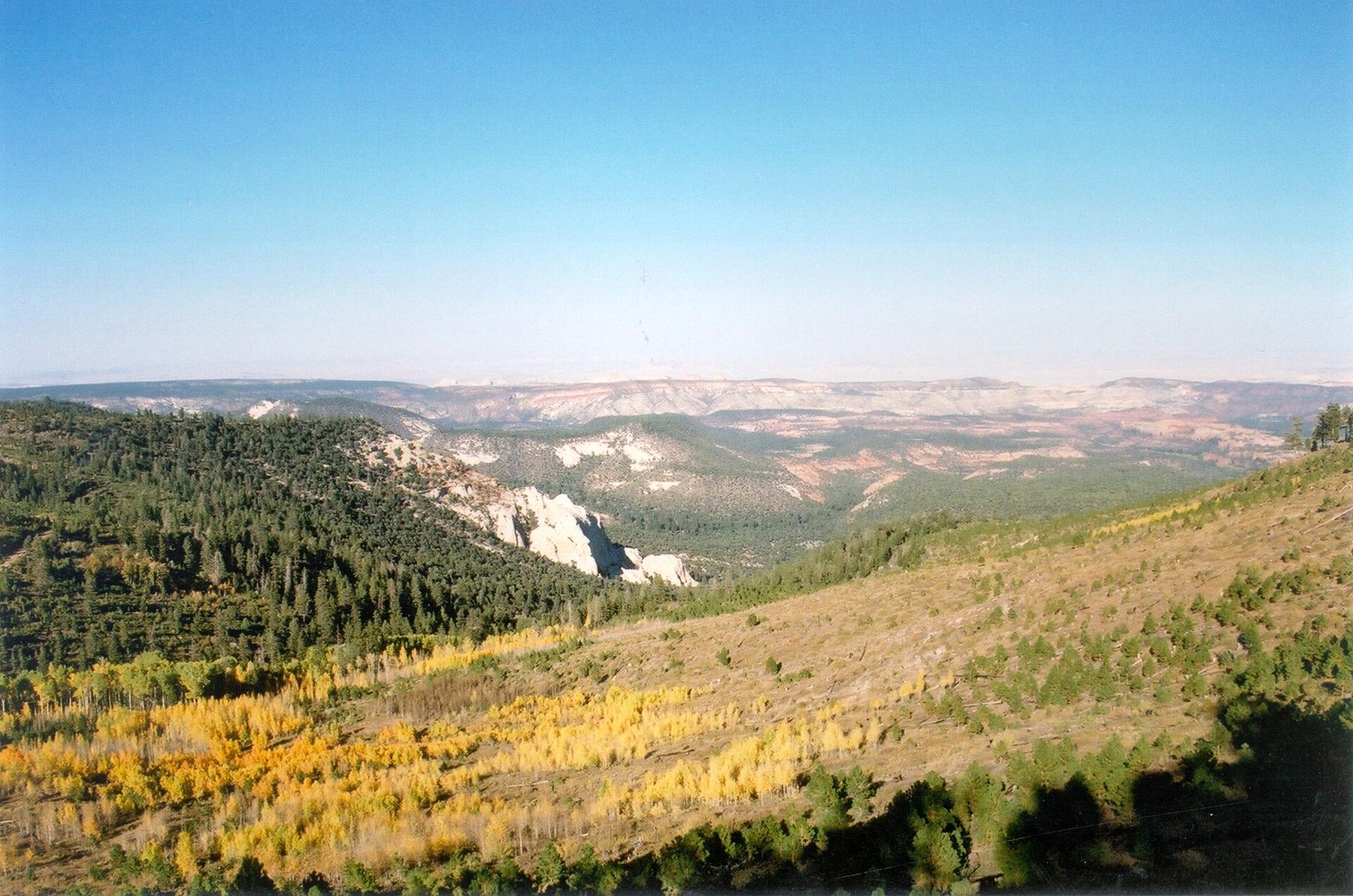
Step outside and read autumn by its qualities. The air is dry. It is cold, and getting colder. The wind is mobile and rough. Leaves go light and brittle and travel. The light itself gets thin and clear.
Every one of those is a vata quality. Autumn does not merely resemble vata — in Ayurveda, autumn is the vata season. And like increases like, so the season adds to whatever vata you were already carrying.
This is why the same person who sails through July finds themselves in October with dry skin, poor sleep, cracking joints, unsettled digestion and a mind that will not stop circling. Nothing has gone wrong. The season is simply pressing on the quality you are most prone to.
Why the season matters more than the hour
An afternoon of unattended vata costs you a scattered afternoon. A season of it costs considerably more.
Ayurveda has a word for the rhythm of the year — ritucharya — and a long-standing observation underneath it: what accumulates in one season tends to become the trouble of the next, unless it is cleared. The dryness and depletion that gather through autumn are what show up in winter as stiffness, heaviness, low immunity and the aches that arrive with the cold.
The turn of a season is the moment the body is already loosening what it has been holding. That is what makes it a window rather than just a date. A well-timed cleanse does not force anything — it helps the body finish something it has already begun.
Tending vata at the scale of a season
It is the four o'clock prescription, made larger and given time.
Oil, inside and out. This is the one that matters most and the one most often skipped. Vata is dry; oil is the direct answer. Warm oil on the skin each morning — abhyanga — and good fats in the food. In a traditional cleanse this goes further still, with ghee taken internally over several days. That is not an incidental step. It is the most vata-pacifying thing we do.
Warmth. Cooked food rather than raw, warm water rather than iced, soups and stews rather than salads. Vata is cold, and this season is not the one for cleansing with green juice and smoothies.
Rhythm. Vata is mobile and irregular, so regularity is medicine in itself. Eating, sleeping and rising at consistent times does more for autumn vata than any single food.
Rest, and less input. Vata is aggravated by stimulation — noise, screens, travel, hurry, too much conversation. An autumn that includes real quiet is an autumn vata can tolerate.
Simplicity. Fewer ingredients, fewer decisions, fewer things in the diary. This is the season to do less well rather than more badly.
Which is exactly what a community cleanse is
Read that list again and you have described the Autumn Community Detox almost line for line. In these ten days we do three things, and they are the three things this season asks for:
- We balance vata. Warm, soft, oily, simple food. Oleation with ghee. A rhythm you keep rather than improvise. Everything opposite to dry, cold, light and mobile.
- We support digestion. Agni is rekindled first and the diet simplified, so the body can finish what it has been carrying rather than take on more.
- We stay grounded. Less input, more rest, and company — so the ten days are not one more thing you are holding on your own.
People sometimes imagine a cleanse as an austerity — something cold and sparse and depriving. A vata-season cleanse is close to the opposite. It is warm, soft, oily and unhurried, because that is what the season actually calls for. The ten days are less a subtraction than a deliberate turn toward everything vata has been asking you for since September.
It is worth saying that this is not the same work as a spring cleanse. Spring clears heaviness — the damp, dense residue of winter. Autumn does something different: it settles what summer stirred up, steadies vata before the cold arrives, and rebuilds rather than strips away. Same practice, different season, different purpose entirely.
This year's runs November 5–14, at home and guided daily, at whatever depth suits your life. If you are weighing whether it is your season, I wrote about how I help people decide — including when to wait — in are you ready to cleanse?
And if you would rather simply ask me, write. That conversation costs nothing.
This writing is educational and reflects traditional Ayurvedic practice. The doshas are concepts within Ayurveda's own framework, not medical diagnoses, and nothing here is a substitute for care from your physician. If you are pregnant, nursing, managing a health condition, or taking medication, please speak with your doctor before changing your diet or beginning new practices.
Om Shanti,
Brit